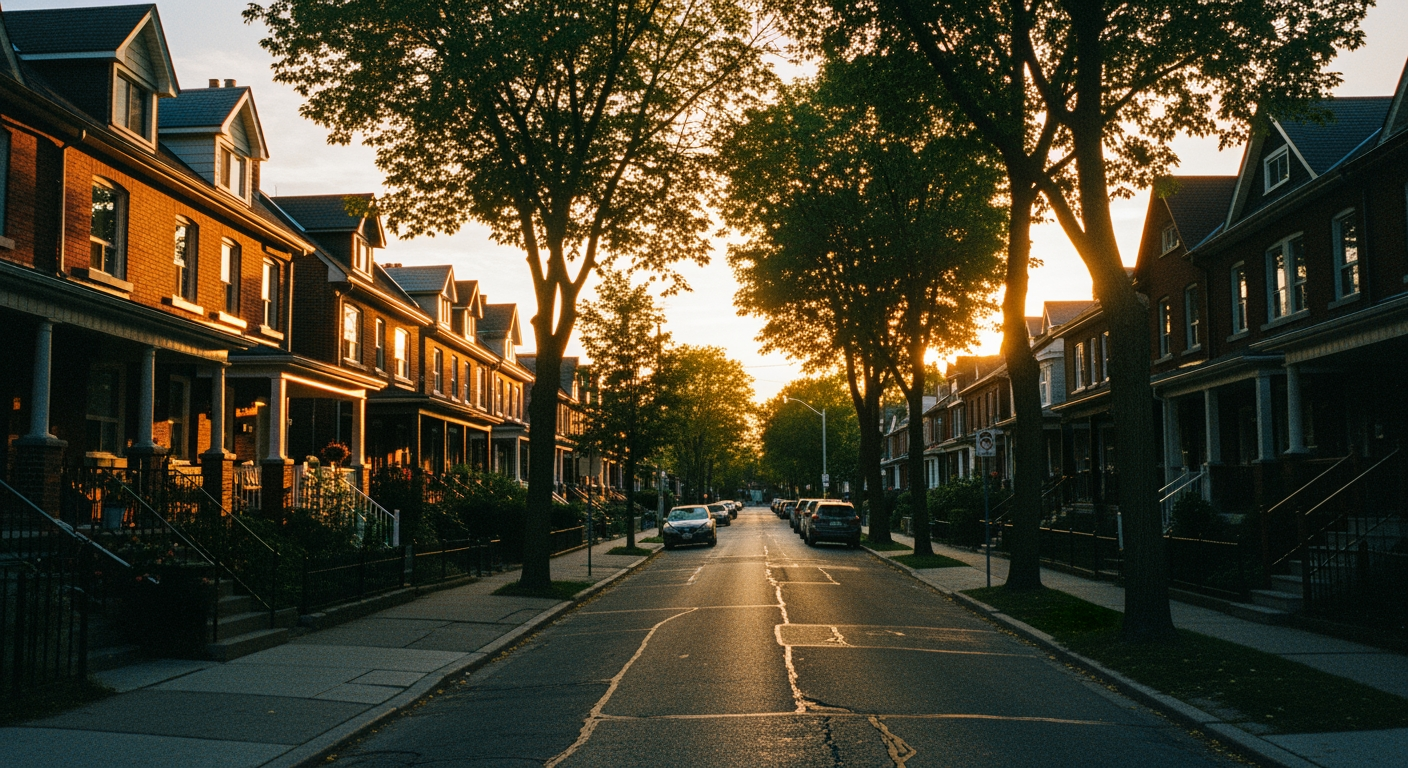
HVAC failure patterns in London cluster around compressor failure, condensate overflow, refrigerant loss, blower motor faults, and thermostat miswiring. Heavy lake-effect snowfall, ice damming, roof loading adds load on systems already stressed by humid continental, lake-effect snow corridor. Crews across Downtown and Old North see no cool, no heat, ice on the coil, water on the floor, and short cycling repeat. This guide covers the common patterns. We pulled the London examples in this guide from work orders documented across Downtown and Old North.
Pattern one: compressor failure In London, compressor failure drives a large share of hvac calls
Owners in Downtown see this every season.
Pattern two: building stock age Century homes in core, post-war single family, large student rental district near western university
Older stock in Downtown and Old North carries different hvac failure modes than newer construction.
Pattern three: condensate overflow This shows up in London during peak season as no cool
Document baseline readings before peak load.
Pattern four: deferred service Multifamily hvac failures often trace to deferred service
Recover refrigerant if needed, isolate the component, replace with manufacturer match, re-charge to nameplate, and verify supply temperatures on a documented cadence prevents emergency escalation.
Authority reference Landlord and Tenant Board of Ontario handles tenancy disputes that involve repair obligations under Residential Tenancies Act 2006
Source notes We pulled the London examples in this guide from work orders documented across Downtown and Old North
Key takeaways
- HVAC work in London ties to heavy lake-effect snowfall.
- Building stock varies between Downtown and Old North.
- Tenancy issues run through Landlord and Tenant Board of Ontario.
Authority source
Ontario Ministry of Labour, Immigration, Training and Skills DevelopmentOntario employment standards, workplace rights, and Employment Standards Act